Choosing memory care in Shiloh, IL, offers seniors personalized support for daily routines. Dementia-friendly care focuses on creating a structured environment that encourages independence and reduces confusion.
According to the USC Schaffer Institute, there are 5.6 million people in the U.S. with dementia. Those over the age of 65 make up 5 million of this figure.
Early memory loss support can make a difference. It helps seniors maintain daily function and cognitive abilities.
Families receive guidance and resources to plan care effectively. Emotional stability in care helps their loved ones thrive.
Learn more about enhancing cognitive wellness in aging in Shiloh, IL, below.
How Does Memory Care in Shiloh Support Seniors With Disrupted Routines?
The American Hospital Association reveals that 7.2 million Americans are living with Alzheimer's disease. This equates to roughly 1 in 9 over 65 with the disease. Around two-thirds of those with Alzheimer's are women.
Alzheimer's can cause changes in behavior and lead to confusion and agitation. Memory care in Shiloh supports seniors with disrupted routines through consistent structure and gentle prompts.
Daily schedules create comfort and reduce confusion. Staff guide activities that strengthen focus and build confidence.
Calm environments ease stress and improve orientation. Personalized plans match each senior's abilities. Supportive interactions encourage engagement.
A predictable routine and memory care plan help seniors feel grounded. They can maintain a stronger sense of control throughout each day.
What Daily Activities Help Seniors Maintain Cognitive Function?
NYU Langone Health reports a 42% risk of developing dementia after the age of 55. Dementia cases are also expected to double by 2060.
Engaging in daily activities helps seniors maintain their cognitive function in meaningful ways. Puzzles strengthen problem-solving skills and support mental agility.
Reading boosts focus and memory. Music encourages recall and lifts mood. Light exercise increases circulation and supports brain health.
Arts and crafts inspire creativity and improve coordination. Social interaction keeps the mind active.
Consistent routines help seniors stay oriented and more confident in their surroundings.
How Can Structured Routines Reduce Stress for Seniors With Memory Loss?
Structured routines reduce stress for seniors with memory loss. Dementia-friendly care sets sensory expectations throughout the day for comfort and predictability.
Familiar lighting and consistent sound levels help limit overstimulation. Clear room layouts support smoother navigation.
Repeated placement of objects reduces searching and frustration. Predictable sequencing lowers the cognitive load during transitions.
Seniors benefit from simplified choices and calm pacing. Following routine sensory patterns helps them stay focused.
Visual reminders guide attention. Maintaining a stable environment prevents overwhelm.
Reduced uncertainty helps seniors feel more at ease. Doing so strengthens their connection to their surroundings.
What Specialized Programs Are Available for Seniors Facing Memory Challenges?
Seniors facing memory challenges benefit from programs designed to support daily engagement. Regular participation helps maintain cognitive function.
This includes activities such as:
- Reminiscence therapy
- Music programs
- Art sessions
- Exercise classes
- Social groups
- Cognitive games and puzzles
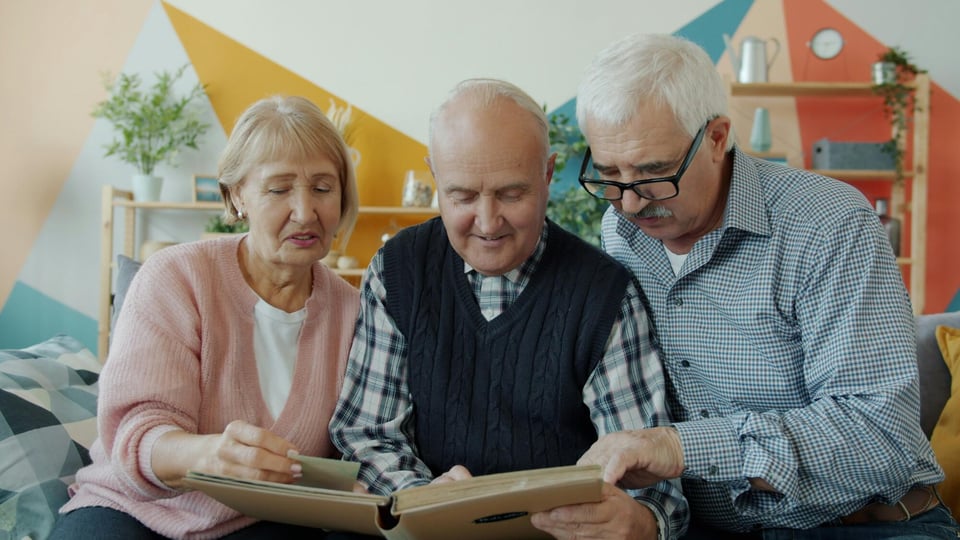
Reminiscence therapy helps seniors recall memories. Music programs encourage self-expression. Art sessions boost mood and creativity.
Exercise classes maintain strength. Low-impact movement supports coordination and balance.
Attending social groups reduces isolation. Conversation and shared activities help build meaningful connections.
Cognitive games strengthen problem-solving skills. Puzzles improve focus and memory.
Structured schedules provide consistency and reduce stress. Programs provide regular opportunities for mental and physical stimulation.
How Can Families Help Loved Ones Adjust to Changes in Daily Schedules?
Families can help loved ones adjust to changes in daily schedules by introducing one change at a time. New tasks should start small and simple.
Pairing activities with familiar items helps seniors feel comfortable. Gentle encouragement supports participation.
Adding in short breaks gives them time to rest and process changes. Using clear, simple words makes instructions easier to follow.
Offering choices lets seniors feel involved in their day-to-day life. Observing their reactions helps identify what works best.
It's important to praise effort, not just results. Making necessary adjustments over time builds confidence.
Positive reinforcement encourages willingness to try new routines.
What Are the Benefits of Personalized Memory Care for Seniors?
Personalized memory care adapts support to each senior's abilities. Care plans match personal strengths and preferences.
Thoughtful care reduces frustration and anxiety. Seniors experience a better sense of control.
Daily routines reflect familiar habits and interests. Targeted activities stimulate memory and skills. Engagement in preferred tasks increases motivation.
Offering one-on-one guidance builds confidence. Programs adjust to seniors' changing needs over time.
Social opportunities focus on individual interests. Creative outlets encourage self-expression. Physical support matches strength and mobility.
Nutrition plans follow personal requirements. Therapies address specific cognitive challenges.
Focused support promotes independence. A tailored approach enhances daily satisfaction and well-being.
Frequently Asked Questions
What Signs Indicate a Senior May Need Memory Care Support?
Seniors may need memory care support if they frequently forget recent events. Showing confusion about time or place can appear.
Experiencing difficulty managing daily tasks is a big warning sign. Mood changes or withdrawal from activities may also occur.
Repeating questions or misplacing items often indicates a need for extra support.
How Do Memory Care Communities Adapt to Individual Cognitive Needs?
Memory care communities monitor cognitive changes to guide daily support. Targeted sensory activities engage attention safely.
Utilizing technology provides gentle reminders and orientation cues. Providing quiet spaces reduces overstimulation.
Staff can adjust group pacing to match abilities. Observing their responses helps refine care strategies.
Using continuous feedback ensures evolving needs are met.
What Role Does Social Engagement Play in Supporting Memory Health?
Social engagement introduces new experiences. Exposure to variety encourages curiosity.
Participating in group activities promotes enjoyment and reduces stress. Cooperative tasks strengthen problem-solving and adaptability.
Observing others provides a chance for learning opportunities. Regular interaction fosters a sense of purpose.
Connection with peers supports emotional flexibility and resilience.
Discover Personalized Senior Living at Addington Place of Shiloh, IL, Today
Memory care in Shiloh provides structured support tailored to seniors' cognitive and daily needs. Engaging activities and social opportunities help maintain mental sharpness and emotional well-being. Personalized programs foster independence and create a safe, stimulating environment for overall quality of life.
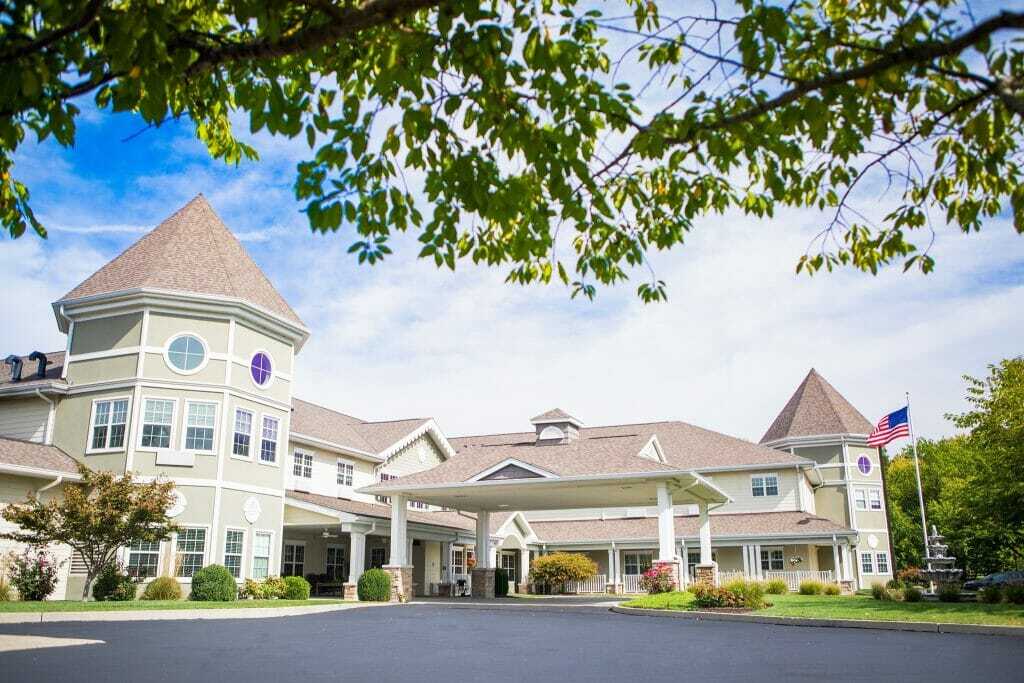
Addington Place of Shiloh, located in Shiloh, IL, offers Independent Living, Assisted Living, and Memory Care options. Our amenities and services provide personalized support and engaging activities. We give seniors a comfortable environment to enhance their daily life and well-being.
Contact Addington Place of Shiloh to schedule a community tour with us or to request more information today.