
Summary
Bowling is a low-impact activity that has entertained people for thousands of years—and it remains one of the best ways for older adults to stay active, social, and mentally sharp. These bowling tips for seniors staying active cover everything from choosing the right equipment to perfecting your technique.
- Bowling offers multiple benefits: it's gentle on joints, supports balance and flexibility, provides mental stimulation, and welcomes players of all skill levels
- Select a ball weighing 8–12 pounds with properly fitted finger holes, use a shoulder-width stance with slight knee bend, and practice a smooth, controlled approach rather than rushing your throw
- Warm up with arm circles and gentle stretches before playing, use bumpers or ramps without hesitation, and listen to your body by resting between frames
- Joining a senior bowling league provides regular social connection, friendly competition, and motivation to improve your game consistently
- Invest in proper bowling shoes with good traction and support to maintain stability and prevent slips on the lanes
Bowling is older than you might guess. According to BOWL.com, items found in the tomb of an Egyptian child from around 5200 BC suggest people were rolling balls at pins thousands of years ago. The game has lasted this long for good reason: it’s easy on the body, fun with company, and always gives you something to work on.
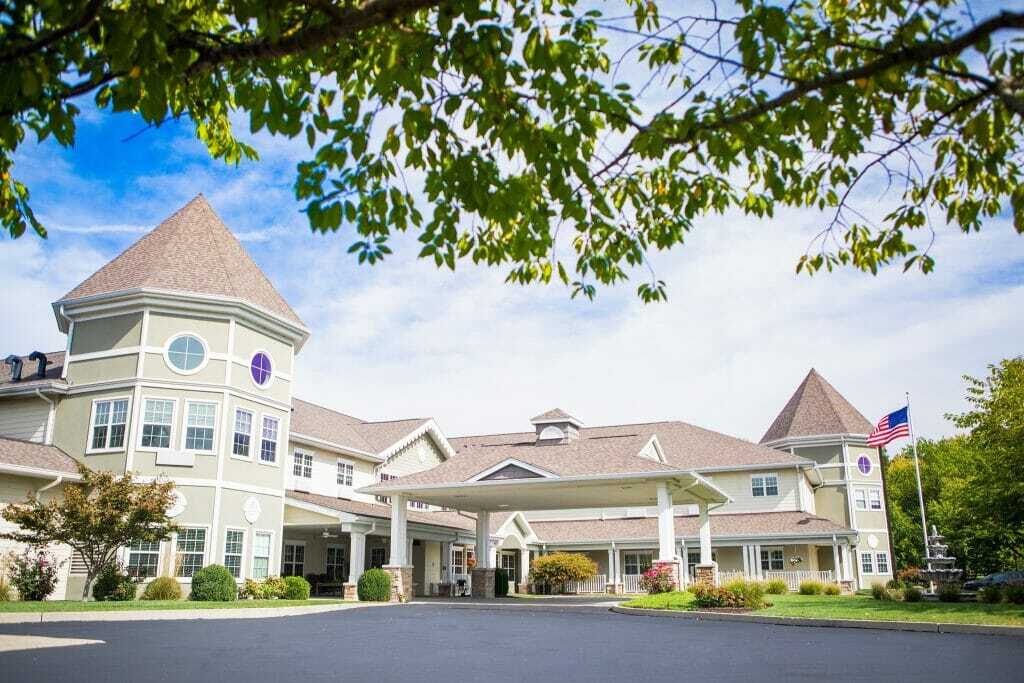
These bowling tips for seniors come from our team at Addington Place of Shiloh in Shiloh, IL, just east of Belleville and a short drive from St. Louis. They cover form, technique, equipment, and injury prevention so you can keep playing comfortably for years.
4 Benefits of Bowling for Seniors
Before we get to technique, here is why bowling earns its place among the best senior recreation options.
1. One of the Best Low-Impact Sports for Older Adults
Bowling is gentle on the joints, which makes it a good fit if you want to keep moving without extra strain on your knees and hips. Rolling the ball works your arm and shoulder, and walking between frames adds the kind of light movement your heart appreciates.
2. Supports Balance and Flexibility
Every approach asks you to shift your weight, hold your posture, and follow through. That repetition supports steadier balance and looser hips and shoulders over time.
3. Social and Mental Benefits
The benefits of senior bowling activities reach well beyond the body. Aiming, adjusting after a bad frame, and keeping score all give your mind a workout, and a league night gives you a standing reason to see friends.
4. A Game for Every Skill Level
You don’t need an athlete’s background. Lighter balls, ramps, and bumper lanes make the game workable for nearly anyone, so staying active through bowling is realistic even if your last frame was decades ago.
9 Bowling Tips for Seniors
With the why covered, here is how to play well and play safely.
1. Choose the Right Bowling Ball
The right ball makes everything else easier. Keep three things in mind:
- Weight: A ball between 8 and 12 pounds suits most older adults, depending on strength and comfort. Too heavy strains your arm, and too light is hard to control.
- Finger holes: Holes that fit properly reduce strain on your fingers. A custom-drilled ball improves your grip and cuts down on discomfort.
- Material: Plastic works fine for beginners. If you want more curve and accuracy, urethane or reactive resin is worth trying.
2. Focus on Proper Bowling Stance
Stand with your feet about shoulder-width apart, keep a slight bend in your knees to take pressure off the joints, and hold your back straight. Practice this a few times before you step onto the lane. A steady stance protects you from strain and makes your shots more consistent.
3. Use a Controlled, Smooth Approach
Rushing the throw throws off your balance. Take slow, deliberate steps, swing the ball in one fluid motion instead of a jerk, and aim at a target spot on the lane rather than the pins themselves. A repeatable approach builds muscle memory, and muscle memory builds better scores.
4. Improve Your Grip and Release
Hold the ball loosely. A tight grip creates tension that travels up your hand and arm, while a relaxed grip lets the ball leave your hand smoothly at the bottom of your swing. Let it roll onto the lane rather than dropping or forcing it. If arthritis or hand pain is a concern, finger inserts or a bowling glove can add support.
5. Use Bumpers or Ramps if Needed
There is no shame in asking for a ramp or bumpers. They help if your strength or mobility is limited, if you have trouble controlling direction, or if you simply want more consistent results. Most alleys keep adaptive equipment on hand and many run senior bowling programs during the week, so ask at the counter.
6. Stretch and Warm Up Before Playing
A few minutes of warm-up loosens your muscles and lowers the chance of a sore shoulder the next morning. Try:
- Arm circles to loosen the shoulder joints
- Wrist rolls to improve flexibility and reduce strain
- Gentle leg stretches to keep your lower body loose
A short walk before the first frame gets your blood flowing, too.
7. Play at Your Own Pace
Listen to your body. Sit between frames when you feel tired, play a shorter game when you need to, and keep a water bottle nearby. Bowling should feel good. If something hurts, that is a signal to rest, not push through.
8. Join a Senior Bowling League
Social activities for active seniors, bowling included, do a lot to push back against boredom and loneliness, and a league puts a standing date on your calendar. Senior-friendly leagues usually offer:
- A relaxed, low-pressure atmosphere
- A reliable way to meet new people
- Regular practice that steadily improves your game
Friendly competition turns out to be a strong motivator. Our post on why social activities matter in community living goes deeper into how regular connection supports well-being.
9. Pay Attention to Footwear
Rented or your own, bowling shoes should have good traction and solid support. Worn soles can cause a slip, so check them before you play. If balance is a concern, ask for shoes with extra grip or an adaptive option. Good shoes are one of the simplest ways to stay steady on the lanes.
Frequently Asked Questions About Senior Bowling
How Often Should Older Adults Bowl?
Once or twice a week is plenty for most people. That is enough to build consistency without overworking your shoulder.
What if I Have Never Bowled Before?
Start with a lighter plastic ball, use bumpers if you like, and focus on a smooth release rather than your score.
Does Addington Place of Shiloh Offer Independent Living?
Yes. Addington Place of Shiloh offers Active Independent Living, Assisted Living, and GLOW® Memory Care. In plain terms, independent living means your own apartment home with meals, housekeeping, and transportation handled and no personal care included. Assisted living adds help with daily tasks like bathing or medication reminders. Memory care is a secure, specialized setting for residents living with dementia. Our compare living options page walks through each one.
Keep Bowling and Keep Improving
Good technique comes with practice, so give yourself time to make these bowling tips for seniors your own. At Addington Place of Shiloh, residents of our Active Independent Living community have a full-time activities director planning outings and group fitness, scheduled transportation that makes getting around the Belleville area simple, homestyle meals waiting when they get back, and furry friends are welcome too. Schedule a personalized tour to see how staying active fits into daily life here in Shiloh, IL.