
Summary
Understanding respite care costs and budgeting helps family helpers find affordable relief without compromising quality care. This guide breaks down pricing factors and practical strategies for planning temporary care in Shiloh, IL.
- In-home care offers personalized support in familiar surroundings but typically costs more; adult day care provides budget-friendly hourly or daily rates; short-term stays at senior living communities bundle meals and care into one transparent price.
- Level of care needs, duration of stay, geographic location, and caretaker qualifications all significantly impact what you'll pay for respite services.
- Build an effective budget by assessing your finances, matching care needs to your budget, mixing formal and informal care options, and reviewing costs regularly as situations change.
- Many families use short-term stays as a trial before transitioning to full-time senior living, making respite care a practical first step in exploring community options.
- Medicare rarely covers respite care outside hospice, but Medicaid waivers and VA programs may provide financial assistance depending on eligibility.
Everyone needs a break. Not wants, needs. The trouble is that stepping away, even for a weekend, raises the same question every time: how much does respite care cost, and can we afford it?
Budgeting for temporary care for aging parents feels overwhelming when you don’t know what drives the price. This respite care financial planning guide breaks down the options, the cost factors, and how to budget with confidence in Shiloh, IL.
Types of Respite Care
Respite care takes many forms, from a short stay at a senior living community to a few hours of at-home help. Costs vary by type and by where you live, but every option delivers the same thing: reliable relief when you need it. The main types include:
- In-home respite care
- Adult day care services
- Short-term stays in senior living communities
- Informal respite care
In-Home Respite Care
In-home care has one major advantage: your loved one never has to leave familiar surroundings. A visiting helper may provide a few hours of companionship or, in more involved cases, hands-on personal care.
Pricing depends on how much support your loved one needs. It’s often pricier than other options, but many families find the personalized attention worth it.
Adult Day Care Services
Adult day care centers typically operate during weekday business hours, providing supervision, meals, hobbies, and sometimes basic health services in a secure setting.
Because respite care costs here are calculated hourly or daily, this is a budget-friendly choice, especially for those who work during the day.
Short-Term Stays in Senior Living Communities
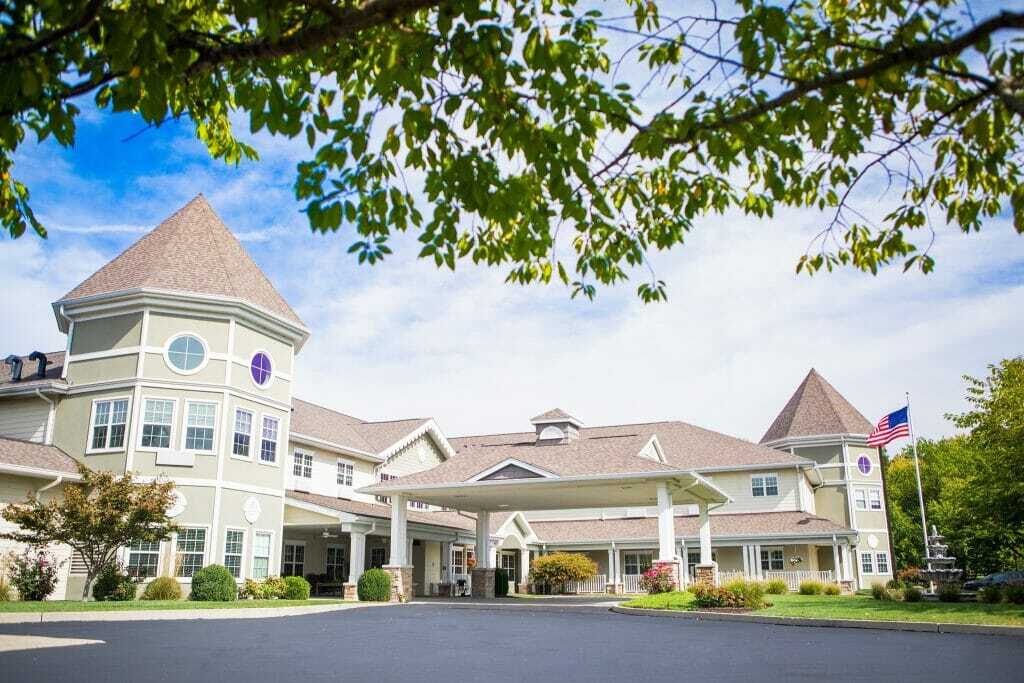
Many communities, including Addington Place of Shiloh, offer short-term stays ranging from a few days to a few weeks. During the stay, your loved one enjoys the same homestyle dining, daily routine, and care as full-time residents.
Families sometimes overlook this option because the upfront price looks high, but short-term senior care costs include meals, programs, and all necessary care, which can make them surprisingly affordable. They’re ideal for those who need an extended break or must travel.
Informal Respite Care
This option relies on another family member or friend to step in, from a few hours of company to overnight stays. For respite care affordability, nothing beats it.
Unfortunately, informal help isn’t always available or reliable. Set clear boundaries and expectations, and treat it as a supplement to more formal care rather than a replacement.
Factors Affecting Respite Care Costs
Respite care pricing isn’t always transparent. Several key factors shape what you’ll pay:
- Level of care
- Duration and frequency
- Geographic location
- Qualifications
Level of Care
Complexity drives cost. Basic companionship is more affordable than specialized support, and if your loved one needs medication management or help with daily living needs, the price rises accordingly. Factor these requirements into your budget from the start.
Duration and Frequency
Frequent short breaks can seem inexpensive, but respite costs add up over time. Longer stays may look costlier upfront yet prove more economical overall, and some providers offer discounted rates for extended bookings.
Geographic Location
Urban areas with a higher cost of living command higher rates, while rural areas tend to cost less but offer fewer amenities. Even within the same region, prices vary. Shiloh’s location near Belleville and a short drive from St. Louis puts families in a good spot to compare nearby options.
Qualifications
As in most professions, skilled providers cost more. Those with specialized training or certifications charge higher rates, so knowing exactly what your loved one needs helps you avoid paying for more than necessary.
How to Budget Effectively for Respite Care
Start by assessing your finances and your loved one’s situation. Needs differ from family to family, so get specific about how often you’ll need a break. Then build a plan around a few principles:
- Match care needs with what you can realistically afford
- Mix formal care with informal help for flexibility
- Review the budget often and adjust as needs change
- Explore veterans benefits, long-term care insurance, and other avenues for paying for respite care services
Don’t lock yourself into a rigid number. Respite care costs and budgeting work best as an ongoing conversation.
FAQs About Respite Care Costs and Budgeting
Does Medicare cover respite care?
Generally only as part of hospice benefits. Medicaid waivers and VA programs may help in some cases.
How far in advance should I book a short-term stay?
Two to four weeks is typical, though some communities can accommodate shorter notice.
Can respite care become permanent?
Yes. Many families use a short stay as a trial run before transitioning to full-time senior living.
The Value of Respite Care
Caring for an aging loved one is hard, and you deserve rest and time for yourself. Respite care picks up the slack so you can recharge.
Choosing the right place means looking beyond price. At Addington Place of Shiloh, short-term guests enjoy homestyle dining, garden strolls, a full-time program director, and the same compassionate support our Assisted Living and GLOW® Memory Care residents receive every day.
Contact us today and let us carry the caregiving load, if only for a little while.