
Summary
Understanding the key differences between assisted living and nursing home care helps families choose the right support level for their loved one's needs. Learn how assisted living vs nursing home differences affect daily life, costs, and quality of care.
- Nursing homes provide round-the-clock medical oversight for people needing IV medications or wound care, while assisted living supports those who need help with daily tasks but not constant nursing supervision
- Assisted living communities feature private apartment homes filled with personal belongings, while nursing homes often have shared rooms with a clinical atmosphere
- Residents in assisted living enjoy flexible daily schedules, chef-prepared meals, housekeeping, and scheduled transportation, whereas nursing home routines center on medical care and therapy
- Assisted living emphasizes social engagement with activities like art workshops, movies, and hobby clubs, creating stronger community connections than typical nursing home settings
- Assisted living generally costs less than nursing homes; families typically pay through private funds, long-term care insurance, or Medicaid waiver programs rather than Medicare
Is assisted living a nursing home? Not quite, and the gap matters more than most families expect. Both offer care, but daily life in each looks very different. This guide to assisted living vs nursing home differences covers six of them, from medical support to mealtimes, so you can see which one fits the person you love.
1. Level of Health Services
Nursing homes, also called skilled nursing communities, provide round-the-clock nursing oversight. They serve people who need IV medications, wound care, or recovery support after a hospital stay.
Assisted living is for people who need help with daily tasks but not constant nursing supervision. Common support includes:
- Bathing and dressing
- Medication management
- Help with other personal needs, offered only as far as each person wants it
Team members step in where needed and let residents do what they still enjoy doing for themselves.
2. Living Environment
Nursing homes often have shared rooms and a clinical feel. Assisted living is built to feel like home.
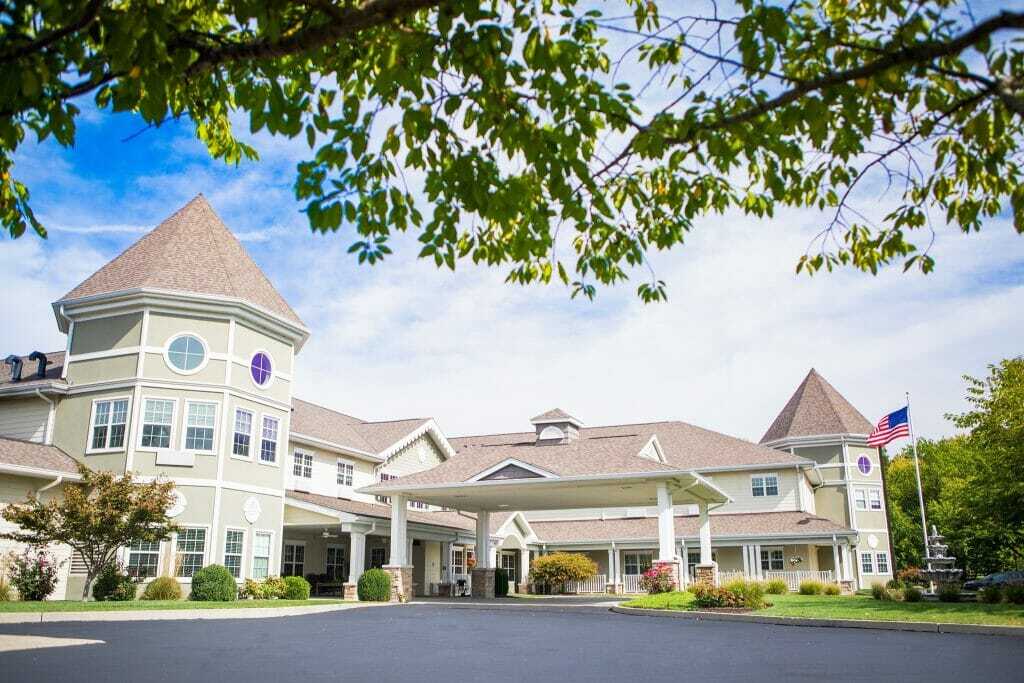
At Addington Place of Shiloh, Assisted Living residents have private apartment homes, including the Oak suite and the Cedar one-bedroom. Residents can fill them with their own furniture and keepsakes. Outside, the gardens and walking paths are there for a breath of fresh air.
3. Daily Routine and Choice
In a nursing home, the schedule often follows medical needs, with set times for care and therapy. Assisted living leaves more of the day up to the resident. They choose when to get up, what to join, and how to spend the afternoon.
Everyday conveniences help too:
- Chef-prepared meals with tableside service
- Weekly housekeeping
- Complimentary scheduled transportation to doctor appointments and local shopping
4. Social Life and Activities
Nursing homes focus mainly on medical care, so recreation can take a back seat. Assisted living puts friendships and fun on the calendar. Our full-time program director keeps things moving with:
- Morning movement and art workshops
- Cooking sessions and weekend movies
- Weekly mahjong, a men’s social club, and a bird watching society
- Guest speakers and music under the stars
In a hometown like Shiloh, neighbors get to know each other quickly. That sense of belonging is hard to find in a clinical setting.
5. Cost and Payment Options
A nursing home or assisted living comparison usually comes down to cost. Nursing homes tend to cost more because of the round-the-clock medical staffing. Medicare may cover a short stay after a hospital visit, but long-term care typically falls to Medicaid or private pay.
Assisted living versus nursing home care is usually less expensive, though Medicare doesn’t typically cover it. Families often pay with:
- Private funds
- Long-term care insurance
- Veterans benefits
- Medicaid waiver programs, available in some states
Veterans may also qualify for savings through our Veterans Program. Our CEO and many of our associates are veterans themselves, so this one is personal to us.
6. Choosing Assisted Living Over a Nursing Home
Choosing assisted living over a nursing home comes down to what your loved one needs right now. If they need constant nursing oversight or complex medical management, a nursing home may be the right call. If they mainly need a hand with daily tasks, along with good meals and company, assisted living is often a better fit. If memory loss is part of the picture, our GLOW® Memory Care program offers specialized support in the same community.
When you visit, ask about:
- Services and staffing levels
- How care plans change as needs change
- What a typical day and a winter storm day look like
Winter in southern Illinois can be unpredictable. Having meals, help, and neighbors under one roof gives families real peace of mind. Memorial Hospital Belleville and HSHS St. Elizabeth’s Hospital are also nearby.
Come see how Addington Place of Shiloh feels for yourself and schedule a tour today.